

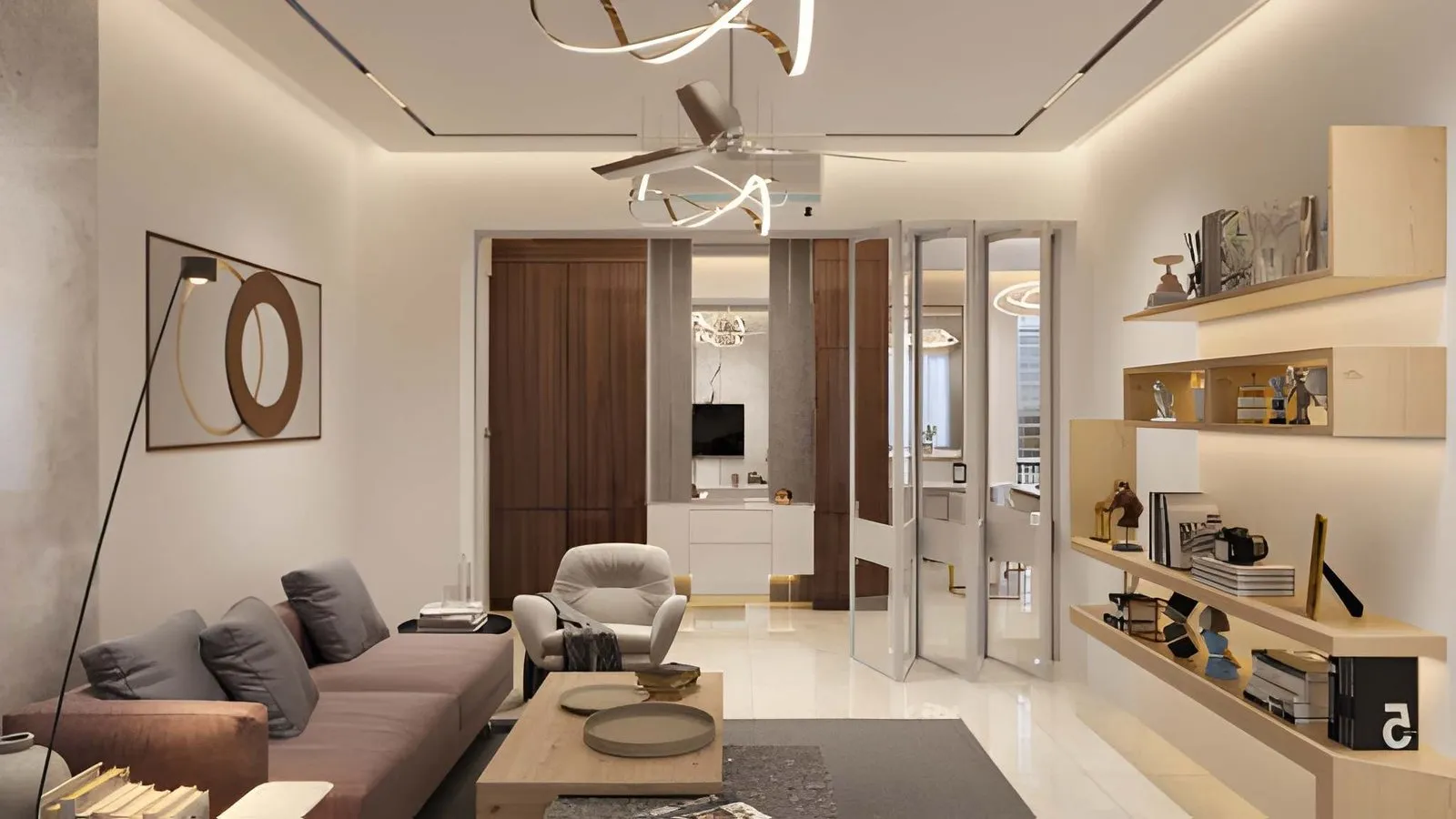
Good lighting can make your home feel brighter, more comfortable, and more welcoming. However, you do not need expensive fixtures or a major renovation to achieve noticeable results. Simple changes to bulbs, furniture placement, and window coverings can improve how every room looks and functions.
The key to improving your home’s lighting on a budget is understanding where light is needed and making the most of what you already have. Before buying anything, look for dark corners, blocked windows, and lamps that could work better elsewhere.
These affordable home lighting ideas will help you create a balanced, inviting space while keeping spending under control.
Start With a Room-by-Room Lighting Check
Walk through your home during the day and again after sunset. Notice which rooms feel gloomy, where shadows appear, and whether certain activities require more light.
A living room might have enough general lighting but lack a reading lamp. A kitchen could feel bright overall while its countertops remain shadowed.
Identify the problem before choosing a solution. This prevents unnecessary purchases and helps you prioritize improvements that make daily life easier. Start with the spaces you use most often.
Make Better Use of Natural Light
Natural light is a valuable resource that costs nothing to use. Begin by moving tall furniture, stacked boxes, or large decorations away from windows.
Open curtains fully during daylight hours. If heavy curtains make a room feel dark, consider lightweight panels that provide some privacy while allowing daylight through.
Clean accessible window glass regularly, following suitable cleaning instructions. Dust and dirt can reduce the amount of light entering a room.
Where possible, position reading chairs and workspaces near windows without creating uncomfortable glare on screens.
Choose Bulbs That Suit Each Space
Replacing an unsuitable bulb can improve a room without changing its fixtures. When comparing bulbs, look at lumens for brightness rather than relying only on wattage.
Color temperature also affects the atmosphere. Warm white light generally creates a cozy feeling, making it suitable for bedrooms and living areas. More neutral light can suit kitchens and workspaces.
Avoid mixing noticeably different light colors within the same small area unless the effect is intentional.
Before purchasing, check the fixture’s bulb requirements, maximum rating, and compatibility with enclosed fittings or dimmers.
Add Layers Instead of One Harsh Light
A single ceiling fixture often leaves corners dark while making the center of a room feel overly bright. Layered lighting distributes illumination more effectively.
Combine general room lighting with focused task lighting and a small amount of decorative light.
For example, keep the ceiling light for everyday movement, add a table lamp beside the sofa, and use a small lamp near a favorite display.
You can build layers gradually. Start by relocating lamps you already own, then purchase additional lighting only where a clear gap remains.
Put Task Lighting Where You Need It
Task lighting directs light toward specific activities, such as reading, cooking, studying, or applying makeup. It can be more useful than increasing brightness throughout an entire room.
An adjustable desk lamp helps illuminate paperwork. A bedside lamp makes evening reading easier. Plug-in under-cabinet lighting can brighten kitchen work surfaces.
Position lights carefully so your body does not block the beam and create shadows.
Choose products suited to their location, particularly near water or cooking areas, and keep cords away from heat and walkways.
Use Mirrors and Light-Colored Surfaces
Mirrors can reflect available light and help a room feel more open. Place one where it catches daylight or reflects a softly lit area.
Test the position before mounting it permanently. A mirror that reflects an exposed bulb or direct sunlight may create distracting glare.
Light-colored walls, curtains, and lampshades can also help distribute light around a room. If repainting is beyond your budget, try smaller changes.
A pale throw, lighter cushion covers, or a cream lampshade can brighten the overall appearance without requiring a full makeover.
Refresh Existing Lamps and Fixtures
Before replacing an old lamp, check whether cleaning or a different shade would improve it. Dusty shades and dirty fixture covers can make lighting appear dull.
Turn lights off, disconnect portable lamps, and allow bulbs to cool before cleaning. Follow the manufacturer’s care instructions and avoid getting electrical components wet.
A lighter shade can allow more useful light into a room, while a dark shade creates a more concentrated effect.
Check shade fit and bulb clearance before making changes. Stop using fixtures with damaged cords, loose connections, or other visible faults.
Shop Secondhand With a Clear Plan
Secondhand stores and local resale listings can offer affordable lamps and shades. However, a bargain is only useful if it suits your space.
Measure the intended location and decide whether you need a table lamp, floor lamp, or adjustable task light before shopping.
Inspect used electrical items carefully. Avoid damaged plugs, cracked sockets, and frayed cables. Have questionable wiring assessed by a qualified professional.
Decorative shades and lamp bases can be good finds, but include any repair costs when comparing them with new options.
Improve Lighting Controls Gradually
Better control can make existing lighting more practical. Instead of turning on every light, arrange lamps so you can illuminate only the area being used.
A compatible dimmer can provide flexibility in a multipurpose room. However, both the bulbs and the control must support dimming.
Simple plug-in timers may also suit selected lamps when used according to their ratings.
Avoid buying smart lighting merely for novelty. Choose controls that solve a specific problem, and use a qualified electrician for changes to fixed wiring.
Bring Your Budget Lighting Plan Together
Affordable lighting improvements work best when you approach them in stages. First, clear windows and clean existing fixtures. Next, move lamps into useful positions and replace unsuitable bulbs.
Afterward, add targeted lighting wherever important activities still feel difficult.
A brighter home does not require a bigger budget. Thoughtful placement, suitable bulbs, and small upgrades can transform everyday spaces into rooms that feel comfortable, functional, and welcoming.
Also Read About : How to Make Healthy Eating Easier on a Busy Schedule