

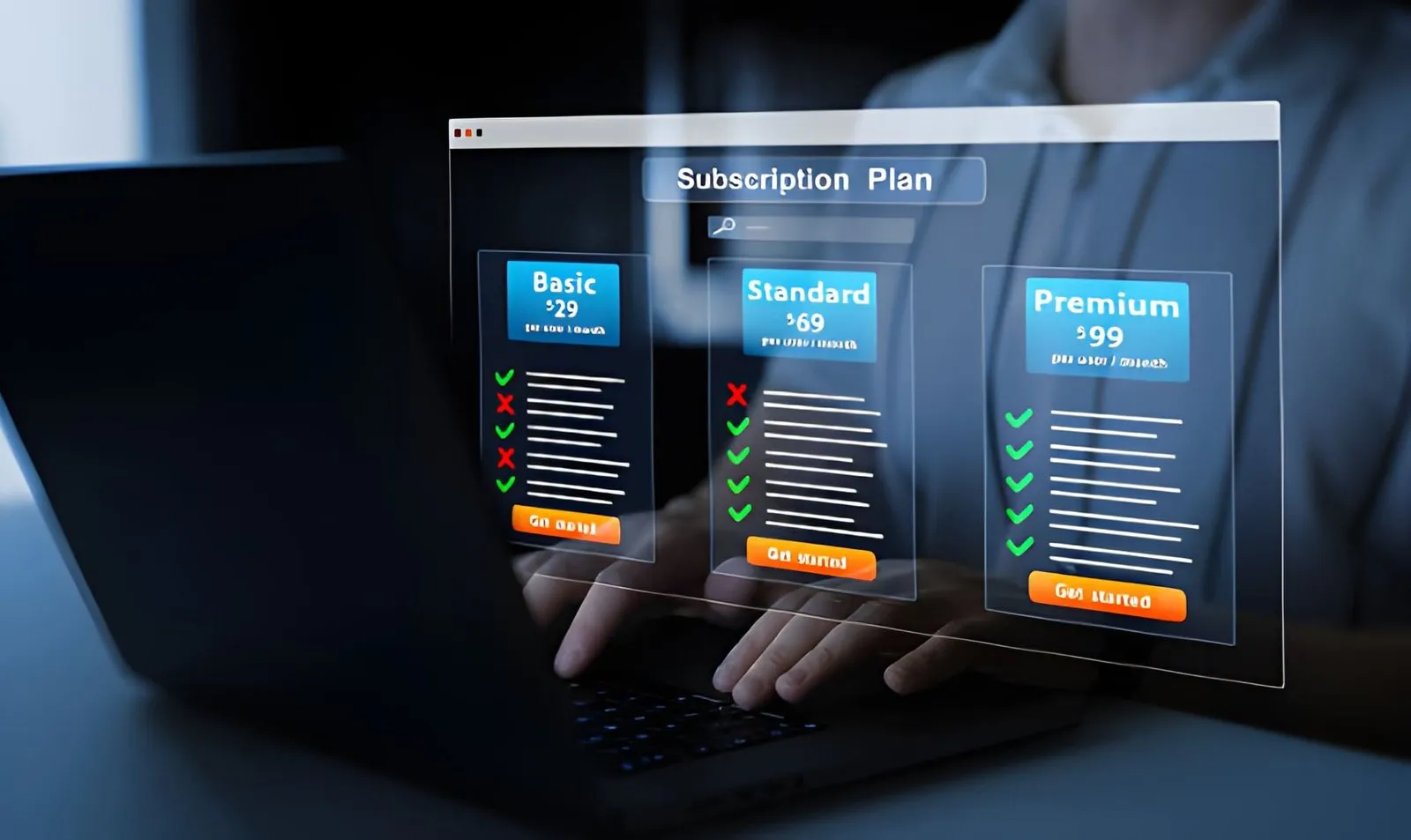
Subscription-based services have changed how people access entertainment, software, household essentials, and educational resources. Instead of making a single purchase, customers pay a recurring fee to continue receiving products or using a service. Streaming platforms, meal kits, cloud storage, and subscription boxes all follow this model.
The appeal is easy to understand. Subscriptions offer convenience, predictable payments, and access to products that might otherwise require a larger upfront investment. However, recurring charges can also create unnecessary expenses, especially when customers forget what they have subscribed to.
Understanding the benefits and drawbacks of subscription-based services can help you decide which memberships deserve a place in your budget.
What Are Subscription-Based Services?
A subscription-based service charges customers regularly, usually monthly or annually, in exchange for continued access or scheduled deliveries. Some subscriptions provide digital content, while others deliver physical products or ongoing professional support.
Common examples include video streaming, music apps, online learning platforms, fitness memberships, and grocery deliveries. Software subscriptions may include updates and technical support, while product subscriptions provide automatic replenishment of frequently used items.
The main difference between subscriptions and traditional purchases is continued payment. With many subscriptions, access ends when payments stop. A purchased physical item, by comparison, generally remains yours to use.
Benefits of Subscription-Based Services
Lower Upfront Costs
One advantage of subscriptions is the ability to avoid a large initial expense. Instead of purchasing expensive software or buying an entire collection of entertainment, customers pay smaller amounts over time.
This approach can make certain tools and resources more accessible. For example, someone working on a short project may prefer paying for one month of a service rather than making a larger purchase.
However, a lower starting price does not automatically mean better overall value. The total cost depends on how long you remain subscribed.
Convenience and Time Savings
Subscriptions simplify routine tasks. Automatic deliveries can reduce repeated shopping trips, while digital services keep content or tools available without requiring separate purchases each time.
A household that regularly uses the same cleaning supplies may appreciate scheduled deliveries. Similarly, an online learning membership allows users to explore different courses through one account.
This convenience is especially useful when the service solves a recurring problem. The greatest benefit comes when delivery schedules, product quantities, and available features match actual needs.
Access to Variety
Many subscription services provide access to a broad selection of products or content. Customers can try different movies, classes, recipes, or software features without purchasing each option individually.
This variety encourages exploration. Someone learning photography, for instance, might use a learning platform to study editing, lighting, and composition within the same membership.
Product subscriptions can also introduce unfamiliar brands or items. Still, variety only adds value when customers use or enjoy what they receive.
Updates and Ongoing Support
Some digital subscriptions include feature improvements, maintenance, and customer assistance. Users may receive updated tools without purchasing a separate version whenever changes become available.
For businesses and independent professionals, ongoing support can help resolve problems and reduce interruptions. Cloud-based services may also allow access across compatible devices.
The exact benefits depend on the provider and subscription level. Customers should check which updates, support options, storage limits, and features are included before subscribing.
Predictable Regular Payments
A fixed subscription price can make certain expenses easier to plan. Knowing the monthly cost of a frequently used service helps customers organize their spending.
For example, a consistent entertainment subscription may be easier to track than several separate rentals or purchases.
Nevertheless, predictable billing requires attention. Promotional discounts can expire, providers may adjust prices, and optional extras can increase the amount charged. Reviewing renewal notices helps prevent unexpected changes from disrupting your budget.
Drawbacks of Subscription-Based Services
Recurring Costs Add Up
The biggest disadvantage is the combined cost of multiple subscriptions. Each membership may seem affordable individually, but several small payments can become a substantial monthly expense.
Consider five services costing $12 each per month. Together, they total $60 monthly or $720 annually. That amount becomes more significant when some memberships receive little use.
Looking at annual spending provides a clearer picture than focusing only on advertised monthly prices. It also makes competing services easier to compare.
Paying for Unused Services
Subscriptions often renew automatically, which makes it easy to keep paying after interest fades. A customer may join a fitness platform enthusiastically, use it briefly, and then forget about the ongoing charge.
Overlapping services create another problem. Two memberships may offer similar content or features, leaving one largely unused.
A useful question is whether you would actively choose to purchase the service again today. If the answer is no, the subscription may no longer justify its cost.
Limited Ownership and Control
Many subscriptions provide temporary access rather than ownership. When you cancel, you may lose access to entertainment libraries, premium features, saved projects, or learning materials.
Available content can also change. A title you enjoyed may disappear from a streaming catalog, and a software provider may move a useful feature into a different pricing tier.
Before relying heavily on a service, check whether you can download your work, export important files, or retain purchased extras after cancellation.
Cancellation and Delivery Problems
Some subscriptions involve inconvenient cancellation procedures, advance notice requirements, or minimum commitments. Annual plans may offer lower monthly equivalents but require a larger payment and provide limited refund options.
Physical subscriptions have additional drawbacks. Deliveries may arrive when products are unnecessary, creating clutter, waste, or storage problems.
Customers should review cancellation terms, renewal dates, and delivery controls beforehand. Flexible options to pause, skip, or adjust a subscription can make a meaningful difference.
How to Decide Whether a Subscription Is Worth It
Start by identifying the problem the service solves. Then compare its total cost with your expected usage and available alternatives.
Track subscriptions in one place and review them regularly. Set reminders before free trials expire, check for duplicate memberships, and avoid annual commitments until you understand the service’s value.
Subscription-based services work best when they remain deliberate choices. Keep memberships that provide consistent convenience or enjoyment, and cancel those that no longer earn their place in your routine.
Also Read About : Smart Wearables: Convenience, Privacy, and Everyday Uses