

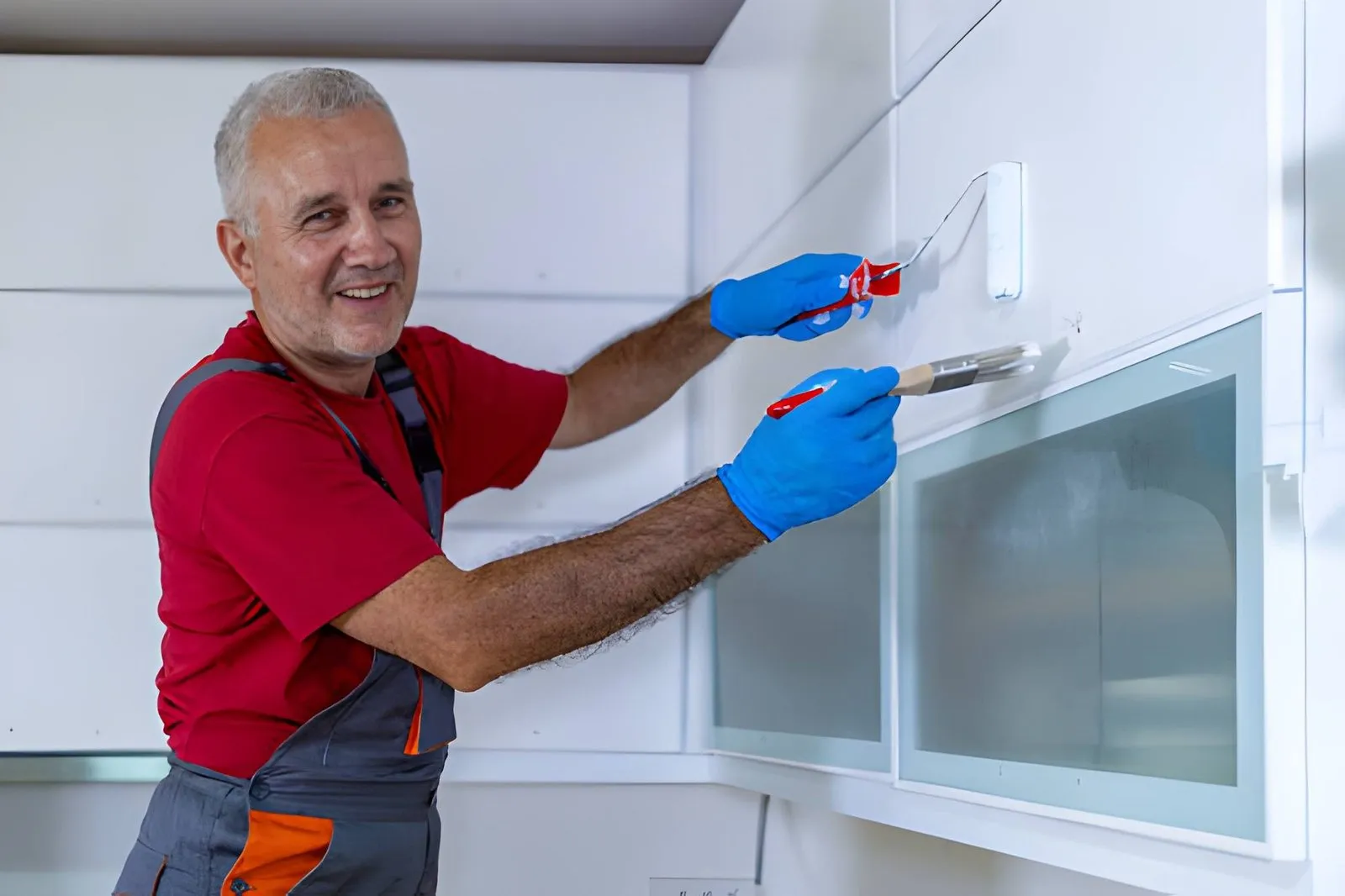
Kitchen cabinets influence how your kitchen looks, feels, and functions. When they become scratched, outdated, or difficult to use, updating them can make the entire room more inviting. However, choosing between kitchen cabinet painting and replacement requires more than comparing colors or browsing design ideas.
Painting can refresh existing cabinets while keeping your renovation manageable. Replacement offers the opportunity to improve storage, change the layout, and address structural problems. The right choice depends on your cabinets’ condition, your budget, and what you want your kitchen to accomplish.
This guide explains what to consider before deciding whether to paint or replace your kitchen cabinets.
Understand the Difference Between Painting and Replacement
Cabinet painting involves preparing and coating existing cabinet surfaces. The process typically includes removing doors and hardware, cleaning away grease, repairing minor imperfections, preparing the surface, and applying suitable primer and paint. Your existing cabinet boxes and layout remain.
Cabinet replacement involves removing existing units and installing new ones. You can choose different dimensions, materials, door styles, and storage features. Replacement also allows you to rearrange cabinets as part of a larger kitchen renovation.
Painting primarily changes appearance. Replacement can change both appearance and everyday functionality.
Start With Your Cabinets’ Condition
Before comparing finishes, inspect the cabinets themselves. Open every door and drawer, examine shelves, and check the areas around your sink and dishwasher.
Cabinets with sturdy boxes, secure joints, and manageable surface damage may be good candidates for painting. Small dents, faded finishes, and outdated colors do not automatically justify removing otherwise usable cabinetry.
Structural damage requires a different approach. Severely swollen panels, crumbling cabinet bottoms, or badly distorted boxes may make replacement more practical. Home Depot identifies structural condition as a key factor when choosing between a cabinet makeover and new cabinets. The Home Depot
Address any moisture source before investing in either option.
Compare the Complete Project Cost
Painting kitchen cabinets generally costs less than replacement because you retain the existing cabinetry. However, professional preparation, repairs, specialty primers, and detailed finishing can make painting a substantial project.
Replacement includes more than purchasing cabinet boxes. Your estimate may also need to cover demolition, disposal, installation, trim, hardware, and repairs to surrounding surfaces.
Changing cabinet dimensions can affect countertops, backsplashes, flooring, or appliance placement. These related expenses can widen the difference between an initial cabinet price and the final renovation bill.
Request written estimates with clearly defined scopes. Compare preparation, materials, labor, cleanup, and warranties rather than judging quotes by the total alone.
Evaluate Your Kitchen Layout and Storage
Think about how your kitchen works during ordinary activities. Can you reach frequently used items? Do drawers open without blocking appliances? Is there enough storage for cookware and pantry supplies?
Painting makes sense when the existing arrangement already meets your needs. Updated hardware and carefully chosen organizers may improve convenience without requiring new cabinets.
Replacement becomes more appealing when cabinet dimensions or placement create persistent problems. It allows you to introduce wider drawers, taller units, or storage designed around your cooking habits.
A fresh finish cannot correct an unsuitable layout, so identify functional frustrations before choosing a cosmetic update.
Consider Cabinet Materials and Paint Compatibility
Cabinet material affects preparation and the quality of the finished result. Solid wood, wood veneer, laminate, and previously painted surfaces can require different products and techniques.
Do not assume that every cabinet can be painted using the same process. Smooth surfaces need appropriate preparation and compatible coatings to support adhesion. Lowe’s recommends selecting painting supplies according to the cabinet material. lowes.com
Ask your painter to explain how they will handle your specific surfaces. A small test area can help assess adhesion and appearance before work begins across the kitchen.
If the surface covering is failing, investigate repairs or replacement before committing to paint.
Think About the Finished Appearance
Painting offers considerable freedom with color. Warm white, muted green, soft gray, or deeper shades can change the room’s atmosphere while coordinating with existing countertops and flooring.
However, paint preserves the basic door profile. Raised panels remain raised panels, and decorative details remain visible. Wood grain may also show unless the finishing process specifically addresses it.
Replacement gives you greater control over door style, cabinet proportions, and overall design. It may suit homeowners seeking a substantial architectural change.
View physical samples in your kitchen’s lighting. A finish that looks attractive online may appear different beside your backsplash or under evening lighting.
Plan for Disruption and Project Timing
Both options affect access to your kitchen. Painting requires preparation space, drying time, and careful handling while coatings develop their intended hardness.
Replacement involves removal and installation, with possible interruptions to countertops, appliances, or plumbing access. Product availability and related renovation work can also influence the schedule.
Ask contractors to distinguish between active working days and the complete project timeline. Confirm when you can refill cabinets, clean surfaces, and use the kitchen normally.
Arrange a temporary area for essential dishes and simple meal preparation. Clear expectations help prevent unnecessary frustration.
Weigh Maintenance and Long-Term Value
Neither option eliminates maintenance. Painted cabinets need gentle cleaning and may eventually require touch-ups around handles, corners, and frequently used edges.
Replacement cabinets also vary in durability. Evaluate construction, hinges, drawer slides, finish quality, and warranty coverage rather than assuming every new cabinet represents an upgrade.
Consider how long you expect to remain in the home. Painting may serve a kitchen that functions well for years, while replacement may better support a renovation intended to address lasting storage problems.
Avoid assuming either project guarantees a particular resale return. Focus first on condition, usability, and a coherent finished appearance.
Consider Refacing as Another Option
Cabinet refacing may suit homeowners whose cabinet boxes remain sound but whose doors no longer match their preferred style. It typically involves replacing doors and drawer fronts while updating visible exterior surfaces.
Refacing generally preserves the existing layout, so it will not solve every storage problem. Home Depot recommends assessing cabinet condition before choosing refacing or replacement. The Home Depot
Make Your Decision
Choose painting when your cabinets are sturdy, your layout works, and your main goal is a visual refresh. Consider replacement when damage, inadequate storage, or poor placement limits the kitchen’s usefulness. Comparing complete estimates and realistic outcomes will help you invest in an update that suits your home.
Also Read About : How to Improve Your Home’s Lighting on a Budget