
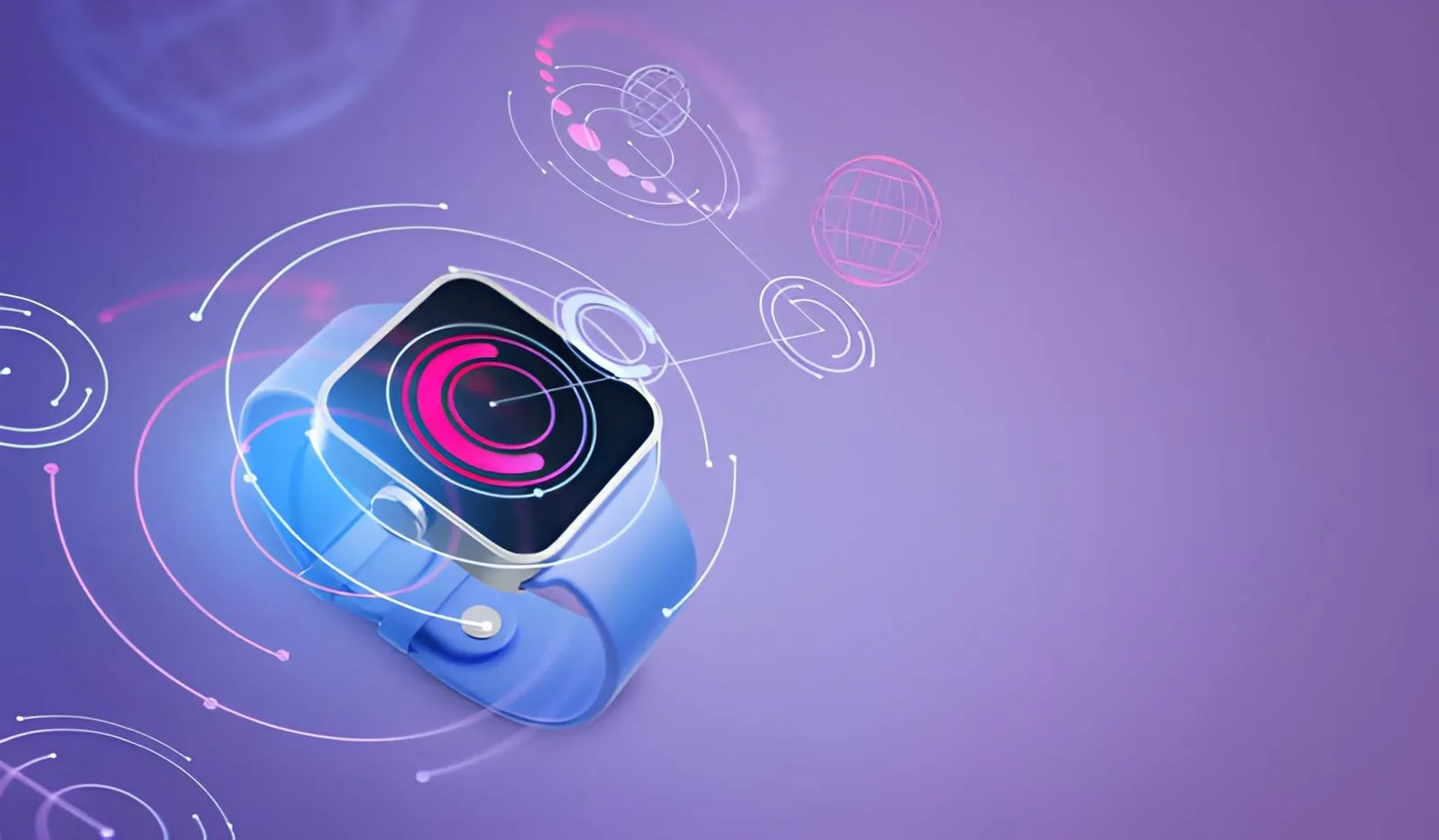
Smart wearables have become familiar companions in daily life. From watches that display messages to rings that record activity, these devices bring digital features closer to the people using them. They can make routine tasks easier, encourage healthier habits, and provide useful information without requiring constant phone checks.
However, convenience comes with questions. Wearable devices may collect information about movement, sleep, location, and personal routines. Understanding what they record and how that information is used matters just as much as choosing an attractive design.
Smart wearables offer the most value when their features match everyday needs and users understand their privacy settings. Exploring their practical uses, limitations, and data practices helps consumers make more informed choices.
What Are Smart Wearables?
Smart wearables are electronic devices designed to be worn on the body. They typically combine sensors, software, and wireless connectivity to collect information or provide useful functions.
Common examples include smartwatches, fitness trackers, smart rings, connected glasses, and certain earbuds. Their capabilities vary considerably. Some focus on activity tracking, while others support communication, navigation, entertainment, or accessibility.
Many wearables connect to a smartphone application where users can review information and adjust settings. Certain models also perform selected tasks independently. Before purchasing, it helps to distinguish between features available directly on the device and those requiring a nearby phone or additional subscription.
The Convenience of Staying Connected
One major benefit of wearable technology is easier access to important information. A quick glance at the wrist can reveal an incoming call, appointment reminder, or delivery notification.
This can be useful while commuting, preparing meals, or moving between meetings. Instead of repeatedly reaching for a phone, users can decide whether a notification needs immediate attention.
Some devices also support voice commands, short replies, and timers. However, enabling every alert can create unnecessary interruptions. Choosing only essential notifications helps a wearable support concentration while keeping useful information accessible.
The best setup reflects personal priorities, whether that means family calls, work reminders, or calendar alerts.
Supporting Fitness and Daily Movement
Fitness tracking remains a practical everyday use for smart wearables. Depending on the device, users can record steps, workouts, distance, and periods of inactivity.
These measurements can make habits easier to understand. Someone who spends much of the day seated might use movement reminders to take regular walking breaks. Another person might record weekly exercise sessions to maintain consistency.
Trends are often more useful than individual readings. A steady increase in activity over several weeks can reveal progress, even when daily totals vary.
Accuracy depends on the sensor, activity, fit, and surrounding conditions. Wearable measurements should therefore be treated as estimates rather than perfect records.
Understanding Sleep and Personal Routines
Some wearables estimate sleep duration and identify patterns based on movement and other sensor signals. Reviewing these estimates may help users notice inconsistent bedtimes or frequently shortened nights.
For example, a person might recognize that late evening work regularly reduces their available sleep time. That observation can support a more consistent routine.
However, consumer sleep tracking has limitations. A device may misinterpret quiet wakefulness or present estimates that appear more precise than they are.
Sleep scores should provide context rather than become daily targets. Persistent sleep problems deserve professional assessment instead of relying entirely on an app or interpreting device summaries as a diagnosis.
Payments, Navigation, and Simple Daily Tasks
Wearables can also reduce small inconveniences throughout the day. Supported devices may allow contactless payments, provide navigation prompts, or control music playback.
These functions can be helpful when carrying shopping bags or exercising without easy access to a phone. Timers and reminders can support cooking, household chores, and scheduled tasks.
Availability varies by device, bank, service, and location. A payment feature advertised for one market may not work everywhere.
Users should also consider backup options. Battery life and connectivity affect convenience, so carrying another payment method or knowing a route remains sensible when depending on wearable functions.
Privacy Concerns Behind the Convenience
Wearable devices can collect sensitive information because they remain close to the body throughout the day. Depending on enabled features, this may include activity records, location history, sleep estimates, and physiological measurements.
Privacy depends partly on where that information travels. Data may remain on the device, sync with a phone, or upload to a provider’s servers. Connected applications can introduce additional sharing.
Before enabling features, review what information is collected, why it is needed, and whether sharing is optional. Also check account deletion and data export options.
A feature’s usefulness should justify the information it requires. Continuous location access, for example, deserves closer attention when an application only needs occasional route tracking.
Practical Ways to Protect Wearable Data
Start with the companion application’s permissions. Allow access only to information needed for features you intend to use. Review connected third-party services and remove integrations that no longer serve a purpose.
Protect the associated account with a strong, unique password and multifactor authentication when available. Install software updates to receive available fixes.
Consider notification privacy as well. Message previews displayed on a wrist can expose personal information to nearby people.
Before selling or giving away a wearable, follow the manufacturer’s instructions to remove accounts and erase stored information. Privacy protection includes both online settings and physical access to the device.
Choosing a Wearable That Fits Your Life
Start by identifying the problem you want a wearable to solve. Someone seeking walking reminders may need fewer features than someone wanting navigation, calls, and detailed workout records.
Compare comfort, battery life, phone compatibility, accessibility, and ongoing costs. Check whether useful features require subscriptions.
A device only delivers value if you enjoy wearing it regularly. Choose purposeful convenience, supported by realistic expectations and privacy controls you understand. That balance makes smart wearables more useful in everyday life.
Also Read About : The Benefits and Challenges of Living Alone