
Building a wardrobe does not have to mean buying everything new. Secondhand clothing offers a practical way to refresh your style while spending less and making better use of existing garments. From neighborhood thrift stores to online resale platforms, there are many places to discover clothes with plenty of life remaining.
The benefits of shopping for secondhand clothing extend beyond affordable prices. Buying used can help you explore personal style, find quality pieces, and develop more thoughtful shopping habits. It also gives unwanted clothing another opportunity to be worn.
Whether you need everyday basics, office outfits, or something special, secondhand shopping deserves consideration. Here is how it can benefit your wardrobe, budget, and approach to fashion.
Save Money on Everyday Clothing
One of the biggest advantages of buying secondhand clothes is the opportunity to spend less on wardrobe essentials. Used garments often cost less than comparable new items, although prices vary by brand, condition, and seller.
These savings can be useful when replacing jeans, updating workwear, or purchasing seasonal layers. Instead of using your entire clothing budget on a few new pieces, you may find several practical options.
However, value matters more than the discount alone. A reasonably priced jacket you wear regularly is a better purchase than several cheap items that never leave your closet.
Give Existing Clothes a Longer Life
Clothing can become unwanted long before it becomes unwearable. People change sizes, adjust their style, move homes, or clear out wardrobes. As a result, many donated and resold garments remain perfectly usable.
Buying these pieces extends their useful life and keeps them in circulation. A shirt that no longer suits one person may become another person’s favorite everyday item.
This approach makes better use of resources already invested in making clothing. The benefit is greatest when a secondhand purchase replaces something you otherwise would have bought new, rather than simply adding unnecessary items.
Discover a More Personal Style
Secondhand shops bring together clothing from different brands, seasons, and decades. This variety makes it easier to create outfits that reflect your preferences.
You might find a patterned blouse, an unusual denim jacket, or a classic coat that adds character to familiar basics. These discoveries can help you move beyond buying whatever appears in current store displays.
Personal style develops through experimentation. Shopping secondhand gives you opportunities to explore different silhouettes, textures, and colors. Over time, you can identify the details that make you feel comfortable and confident.
Find Quality Pieces Within Your Budget
A limited budget does not always have to mean settling for clothing that feels poorly made. Secondhand stores sometimes offer well-constructed garments at prices below their original retail cost.
Look beyond the label and examine the actual item. Check seams, fabric condition, lining, buttons, and zippers. A recognizable brand does not automatically guarantee a worthwhile purchase.
Learning to assess construction can improve your shopping decisions everywhere. You become more aware of what makes clothing durable and comfortable, helping you choose pieces that deserve a place in your wardrobe.
Experiment Without Spending Too Much
Trying a different style can feel risky when new clothing carries a high price. Secondhand shopping can make that experimentation more affordable.
Perhaps you want to try wide-leg trousers, colorful knitwear, or a tailored vest. Finding a reasonably priced used version lets you see whether that style works with your existing clothes.
Before purchasing, imagine several complete outfits using the item. An affordable experiment should still be wearable. This simple habit helps you enjoy fashion while avoiding a collection of interesting pieces that do not work together.
Support Local Shops and Community Organizations
Where you shop can influence who benefits from your purchase. Independent resale stores support local business owners, while some charity shops use proceeds to fund their programs.
The exact impact depends on the organization, so check its information if supporting a particular cause matters to you. Different stores operate under different business models.
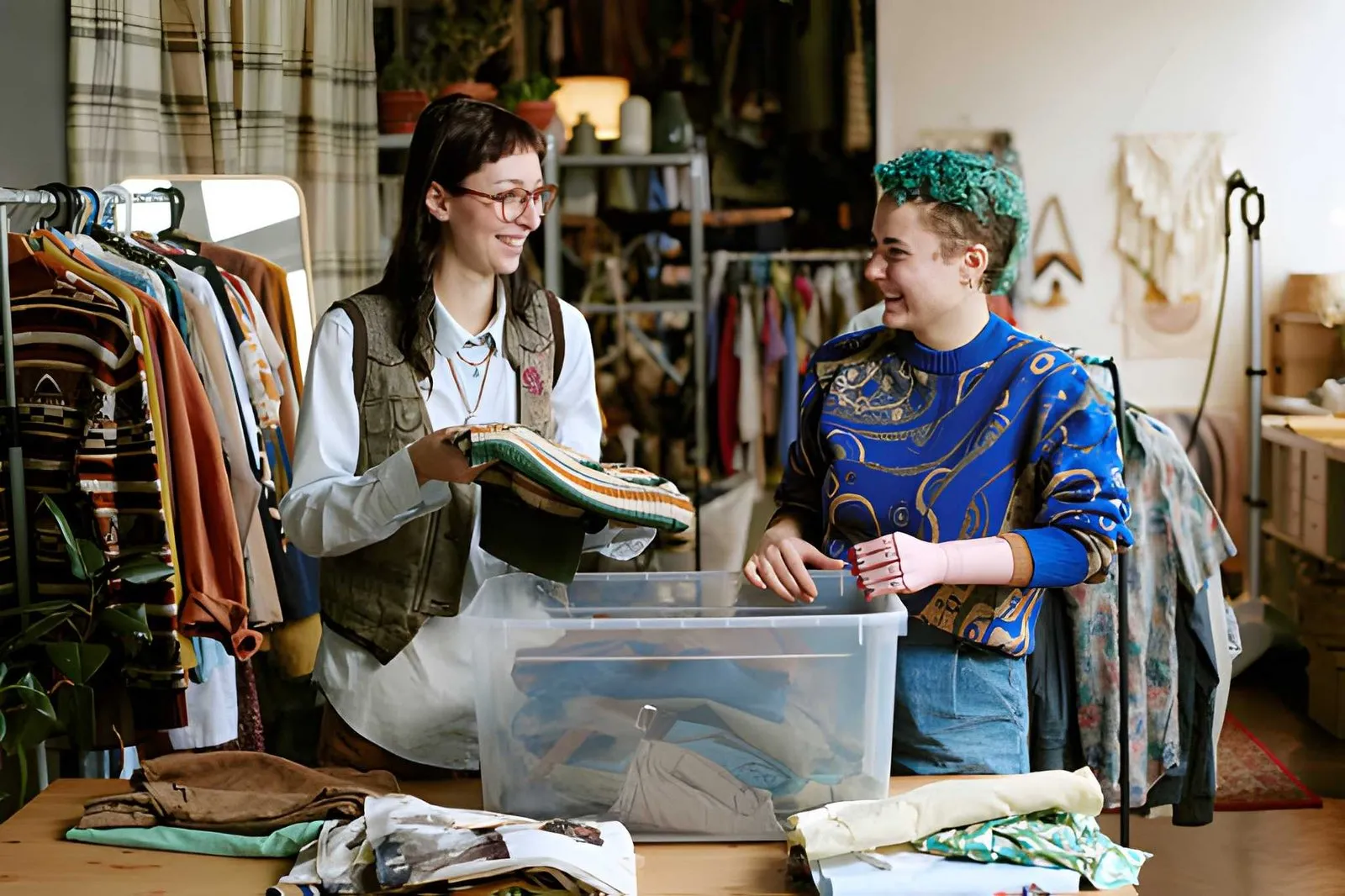
Shopping locally also allows you to inspect garments in person and learn which stores match your needs. Building familiarity with nearby sellers can make future shopping trips more productive and enjoyable.
Make Changing Clothing Needs More Affordable
Wardrobes change for practical reasons. Children outgrow clothes, adults need different sizes, and new jobs may require different outfits. Buying everything new during these transitions can become expensive.
Secondhand clothing offers another option for meeting those needs. It can be especially useful for items needed temporarily or worn only occasionally.
For example, a used formal outfit may make sense for a single event. Check the full cost before deciding, including alterations, cleaning, shipping, or repairs. A low purchase price does not always mean the lowest overall expense.
Develop More Thoughtful Shopping Habits
Successful secondhand shopping often requires patience. You may need to compare items, check measurements, and decide whether a garment is genuinely useful.
That process can encourage more intentional purchasing. Instead of buying immediately because something is available, you learn to consider fit, condition, versatility, and price.
Keep a short list of wardrobe gaps before browsing. If you need a neutral cardigan or comfortable trousers, focus on those priorities. This makes it easier to recognize useful finds and resist purchases driven only by low prices.
Shop Carefully for Better Results
Inspect secondhand garments in good lighting whenever possible. Look for stains, holes, stretched fabric, missing fasteners, and signs of heavy wear. Try items on, since sizing can vary considerably between brands.
When shopping online, compare the seller’s measurements with clothing you already own. Review photographs, descriptions, delivery charges, and return conditions before paying.
Clean purchases according to their care labels before wearing them. Avoid items requiring repairs or special cleaning unless you understand the cost and effort involved. Careful selection helps turn a bargain into something useful.
Conclusion
The benefits of shopping for secondhand clothing include lower costs, greater variety, and opportunities to keep usable garments in circulation. It can also help you recognize quality and build a more individual wardrobe.
Start with a clear need, inspect each item carefully, and choose clothes you expect to wear. With patience and sensible decisions, secondhand shopping can become a rewarding part of everyday dressing.
Also Read About : How to Organize Your Closet for Easier Outfit Planning