

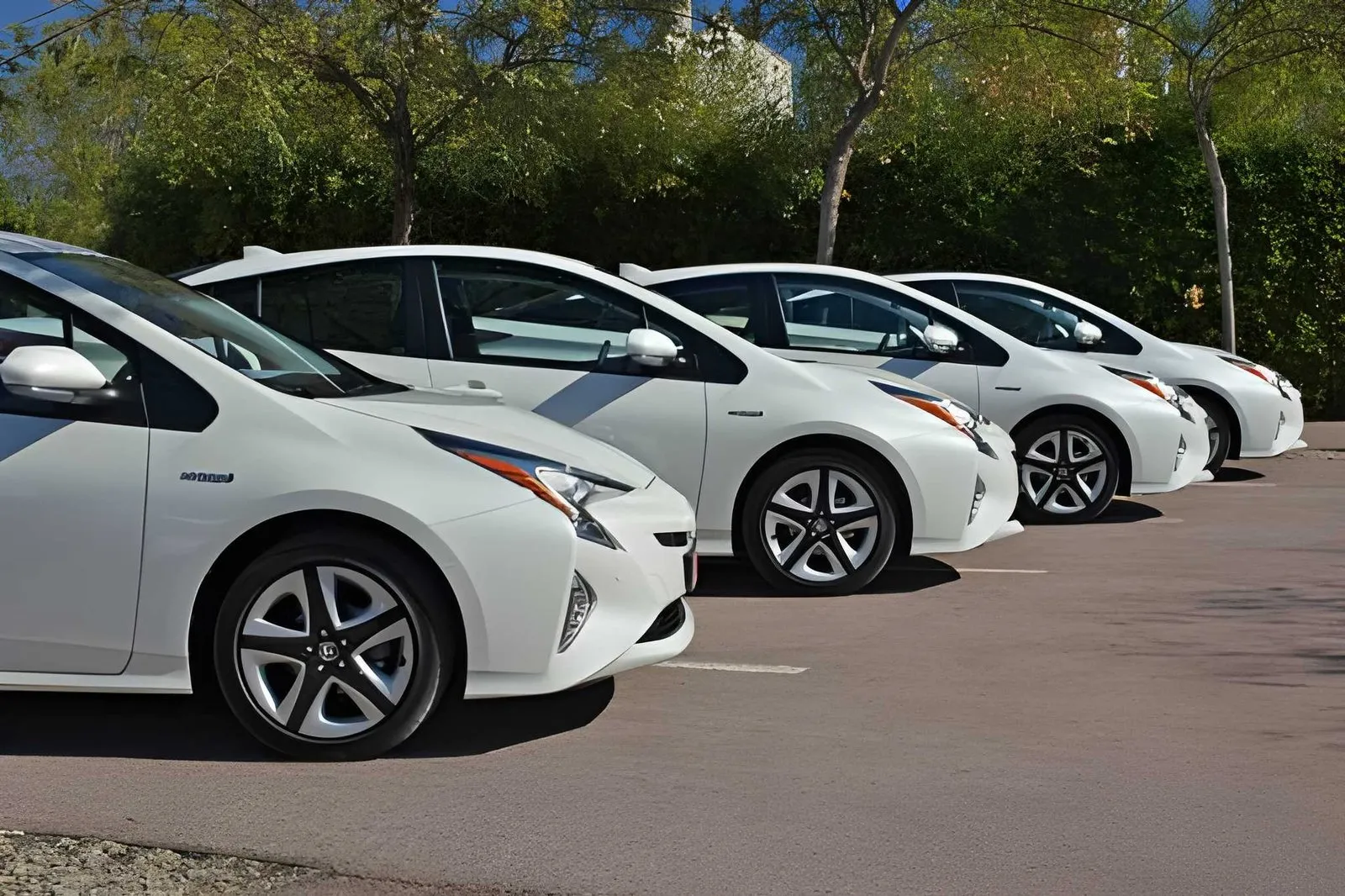
Hybrid cars combine gasoline power with electric technology to make everyday driving more efficient. They offer a practical option for drivers who want to use less fuel while keeping the convenience of a gasoline engine. Understanding how these vehicles operate can help explain why they appeal to commuters, families, and other motorists.
Unlike conventional vehicles that rely entirely on an engine, hybrids use an electric motor to support or sometimes replace engine power. The vehicle manages these systems automatically, so driving usually feels familiar.
This guide explains how hybrid cars work, the different types available, and their main benefits.
What Is a Hybrid Car?
A hybrid car uses two sources of propulsion: an internal combustion engine and at least one electric motor. A rechargeable battery stores energy for the motor.
The goal is to use each power source where it works effectively. Electric motors can help a vehicle move away from a stop, while the engine provides sustained power when needed.
Hybrid batteries differ from the small batteries that start conventional cars. They are designed to store and deliver energy repeatedly during driving.
However, not every hybrid offers the same electric driving capability. Some provide limited assistance, while others can travel meaningful distances using electricity alone.
How Do Hybrid Cars Work?
Hybrid technology coordinates the engine, electric motor, battery, and braking system. Although designs vary, most follow several common principles.
Starting and Driving at Low Speeds
Many full hybrids can move using electric power at low speeds when battery charge and operating conditions allow. This reduces gasoline use during gentle driving.
The engine may still start to warm up, provide cabin heat, or meet additional power demands. Electric operation depends on the vehicle’s design and conditions.
Accelerating and Climbing Hills
When the driver requests more power, the engine and electric motor can work together. The motor provides assistance during acceleration or uphill driving.
This support helps the vehicle deliver performance without relying on the engine alone. The driver generally does not need to select which power source operates.
Cruising at Steady Speeds
During steady driving, the system selects an efficient combination of engine and electric power. Depending on the design, the engine may drive the wheels directly or help generate electricity.
The battery can also supply short bursts of assistance when needed. These adjustments happen automatically as speed, road conditions, and power requirements change.
Recovering Energy When Braking
Regenerative braking captures some energy that would otherwise become heat during braking. The electric motor acts as a generator, converting part of the vehicle’s motion into electricity.
That electricity returns to the battery for later use. Conventional friction brakes remain essential, particularly during hard braking or when regenerative braking is limited.
Stopping in Traffic
Many hybrids switch off the engine when the vehicle stops, provided operating conditions allow. The battery continues powering certain systems, and the engine restarts automatically when necessary.
This reduces fuel burned while waiting at traffic lights or sitting in congestion.
Main Types of Hybrid Cars
Understanding the different types helps drivers compare vehicles more accurately.
Mild Hybrids
A mild hybrid uses a small electric motor or motor-generator to assist the engine and recover braking energy. It generally cannot propel the vehicle using electricity alone.
These systems can improve efficiency, but their electric capabilities are more limited than those of full hybrids.
Full Hybrids
A full hybrid can use the engine, electric motor, or both to move the vehicle. Electric-only operation is usually limited by speed, battery charge, and power demand.
Standard full hybrids recharge through regenerative braking and engine-generated electricity. They do not require an external charging connection.
Plug-In Hybrids
A plug-in hybrid, or PHEV, has a larger battery that can recharge from an external electricity supply. It can generally cover longer distances electrically than a conventional full hybrid.
Once the usable electric charge runs low, the vehicle continues operating with engine support. Regular charging is important for gaining the greatest benefit from its electric capability.
Main Benefits of Hybrid Cars
1. Lower Fuel Consumption
One major benefit of hybrid cars is reduced gasoline consumption compared with similar conventional vehicles. Electric assistance, regenerative braking, and automatic engine shutdown all contribute.
The advantage is often especially noticeable in urban driving, where frequent stops create opportunities to recover energy. Actual savings depend on the model, driving style, weather, and route.
2. Reduced Emissions
Using less gasoline can reduce fuel-related carbon dioxide emissions. Electric-only operation also produces no tailpipe emissions while it is active.
However, hybrids still create emissions when their engines run. Their overall environmental impact also includes vehicle manufacturing, battery production, and, for plug-in models, the electricity used for charging.
3. Convenient Everyday Use
Conventional full hybrids do not require charging stations or home charging equipment. Drivers refill them at gasoline stations as usual.
This convenience can appeal to people who lack a driveway, dedicated parking space, or reliable charging access. The vehicle manages battery charging during normal operation.
4. Smooth, Quiet Driving
Electric motors deliver power smoothly, particularly when pulling away from a stop. When a hybrid operates electrically, it can also be quieter inside the cabin.
Engine noise may become more noticeable during strong acceleration. Nevertheless, the combination of electric assistance and automatic power management can make daily driving comfortable.
5. Potentially Lower Brake Wear
Regenerative braking handles part of the slowing process, which can reduce reliance on friction brakes. As a result, brake pads may last longer under suitable driving conditions.
Savings vary by vehicle and usage. Hybrids still require routine maintenance, including inspections, tires, engine servicing, and attention to manufacturer schedules.
Conclusion
Hybrid cars combine electric assistance with gasoline power to improve efficiency and everyday convenience. Their main advantages include lower fuel consumption, reduced fuel-related emissions, smooth operation, and potential maintenance savings.
Understanding the differences between mild, full, and plug-in hybrids makes comparisons easier. The most suitable choice depends on driving habits, charging access, purchase price, and total ownership costs.
Also Read About : Automatic vs. Manual Transmission: Which Is Right for You?