
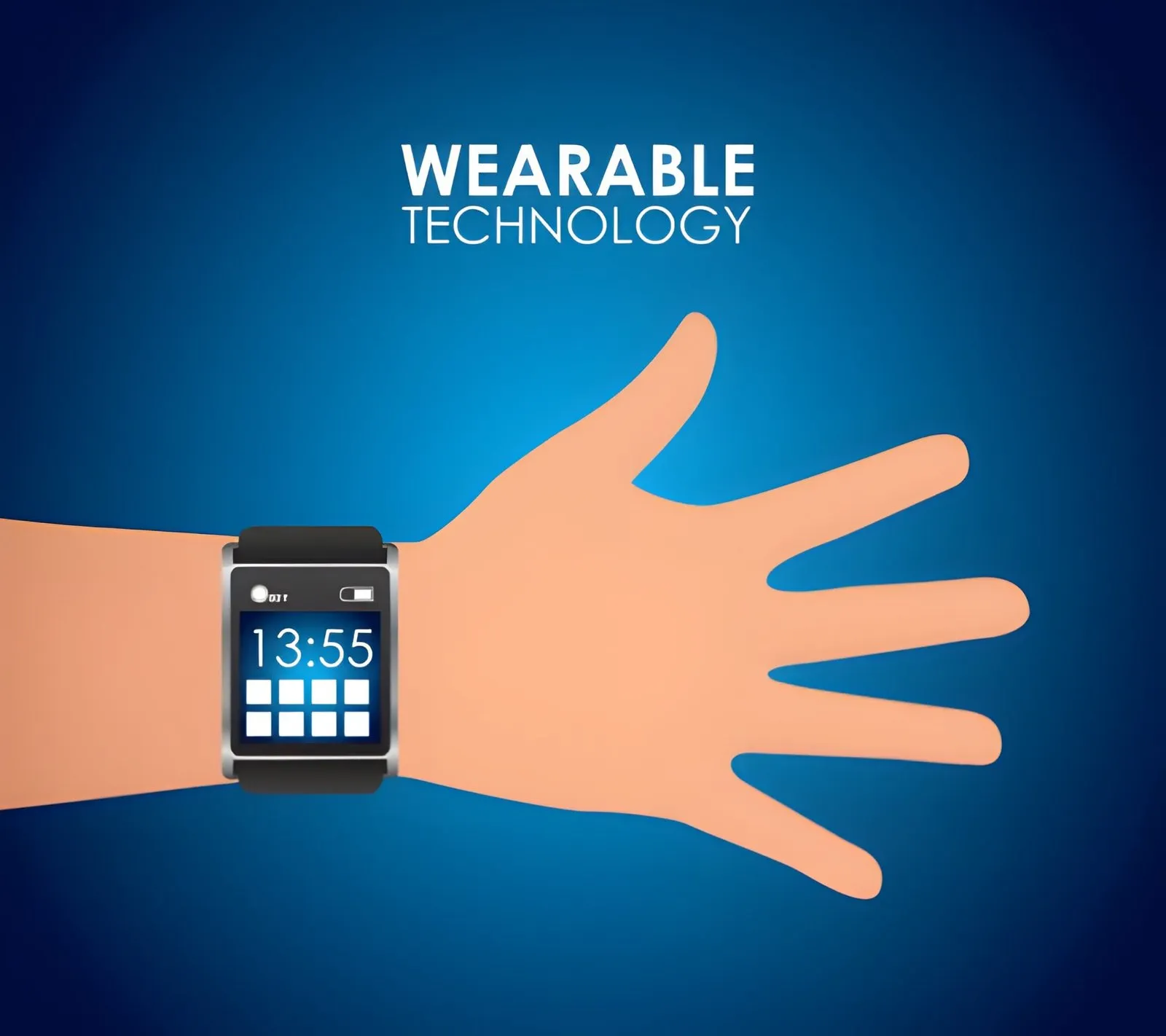
Wearable technology has become a familiar part of everyday life. From smartwatches and fitness trackers to smart rings and connected glasses, these devices offer convenient ways to access information and monitor personal activity. People use them to count steps, receive notifications, track workouts, and stay connected throughout the day.
However, wearing a connected device also introduces challenges. Privacy concerns, battery limitations, inaccurate measurements, and ongoing expenses can affect the overall experience. A device that works well for one person may feel unnecessary or distracting to another.
Understanding the advantages and disadvantages of wearable technology can help you decide whether these devices deserve a place in your routine. The key is to consider their practical value alongside their limitations.
What Is Wearable Technology?
Wearable technology refers to electronic devices designed to be worn on the body. These products typically use sensors, software, and wireless connections to collect information or provide useful functions.
Common examples include smartwatches, fitness bands, smart rings, and connected eyewear. Some work independently for certain tasks, while others rely on a smartphone or internet connection.
Their capabilities vary considerably. A basic fitness tracker may record movement, while a more advanced smartwatch may support calls, navigation, contactless payments, and compatible apps.
Advantages of Wearable Technology
1. Convenient Access to Everyday Information
One major benefit of wearable devices is convenience. Instead of reaching for your phone, you can check selected information directly on your wrist or another wearable display.
Depending on the device, this might include incoming calls, calendar reminders, messages, or directions. Quick access can be useful while commuting, exercising, or completing household tasks.
This convenience works best when notifications are carefully selected. Receiving only essential alerts helps keep the device useful without creating constant interruptions.
2. Greater Awareness of Physical Activity
Fitness trackers and smartwatches can make everyday movement easier to understand. Step counts, activity reminders, and workout records provide a clearer picture of how active you have been.
For someone who spends long hours sitting, a movement reminder may encourage a short walk. Tracking activities over time can also help identify routines that support consistent exercise.
Activity tracking can support motivation, particularly when goals are realistic. Its value comes from encouraging sustainable habits rather than chasing perfect numbers.
3. Helpful Records of Personal Trends
Some wearables estimate sleep duration, heart rate, or other wellness measurements. Keeping these records in one place can help users notice changes in their usual patterns.
For example, a person might observe that their sleep schedule becomes less consistent during busy weeks. That observation can prompt a closer look at daily routines.
These measurements require careful interpretation. Consumer wellness features provide information, but their readings do not automatically explain symptoms or establish a medical diagnosis.
4. Useful Communication and Safety Features
Certain wearable devices support hands-free calls, emergency contact functions, location sharing, or fall detection. These features may provide additional ways to communicate when accessing a phone is difficult.
Availability depends on the model, settings, network coverage, and connected services. Some functions require a nearby smartphone or a separate cellular plan.
Although these tools can be helpful, users should understand how they operate before relying on them. No connected device can guarantee assistance in every situation.
5. Support for Organization and Daily Routines
Wearables can help manage small tasks throughout the day. Timers, alarms, appointment reminders, and calendar alerts make it easier to remember important activities.
A discreet vibration may be useful during meetings or in shared spaces. Voice controls can also simplify certain tasks when your hands are occupied.
For people who regularly forget reminders on their phones, a wearable offers another option. However, its usefulness depends on whether it fits naturally into existing habits.
Disadvantages of Wearable Technology
1. Privacy and Data Security Concerns
Wearable devices may collect sensitive information, including activity patterns, location details, and wellness records. Connected apps and online accounts can increase the amount of personal data involved.
Privacy practices differ between manufacturers and services. Users should review what information is collected, how it is used, and which sharing options are enabled.
Strong account security and limited permissions can reduce exposure. It is also sensible to disable features that collect information you do not need.
2. Measurements Are Not Always Accurate
Wearable readings can vary because of device placement, movement, sensor quality, and other conditions. Estimates such as calories burned or sleep stages should not be treated as exact measurements.
Even a consistent reading may have limitations. Comparing numbers from different devices can also be misleading because their methods may differ.
Use wearable data as one source of information. Persistent symptoms or health concerns deserve professional assessment, regardless of whether a device displays reassuring numbers.
3. Purchase Prices and Continuing Expenses
The initial purchase can be expensive, especially for devices with advanced features. Additional costs may include replacement bands, charging accessories, repairs, or subscriptions.
Some products reserve detailed insights or services for paying members. Cellular connectivity may introduce another recurring charge.
Before buying, consider the total cost of ownership. A simpler device may provide better value if you only need basic activity tracking, alarms, and notifications.
4. Battery Life and Charging Requirements
Wearables require regular charging, and battery life varies by device and usage. Features such as continuous tracking, navigation, or cellular communication can increase power consumption.
Charging creates gaps in monitoring and introduces another routine to remember. A forgotten charger can make the device less useful while traveling.
Comfort also matters. Bulky designs, tight straps, or unsuitable materials may discourage regular use, reducing the benefits of tracking over time.
5. Distraction and Pressure to Track Everything
Frequent alerts can interrupt work, conversations, and relaxation. Constantly checking activity scores may also make ordinary routines feel like performance targets.
Some users find tracking motivating, while others become frustrated by missed goals or unexpected readings. More information does not always produce better decisions.
Setting notification limits and taking occasional breaks can help maintain balance. The device should support your priorities rather than dictate them.
Conclusion
The advantages and disadvantages of wearable technology depend on your needs, expectations, and habits. Convenience, activity awareness, and useful reminders can offer real value. Privacy concerns, imperfect readings, costs, and distractions require equal attention. Choose features carefully, understand their limitations, and use wearable devices as practical tools that support everyday life.
Also Read About : How to Keep Your Computer Running Smoothly