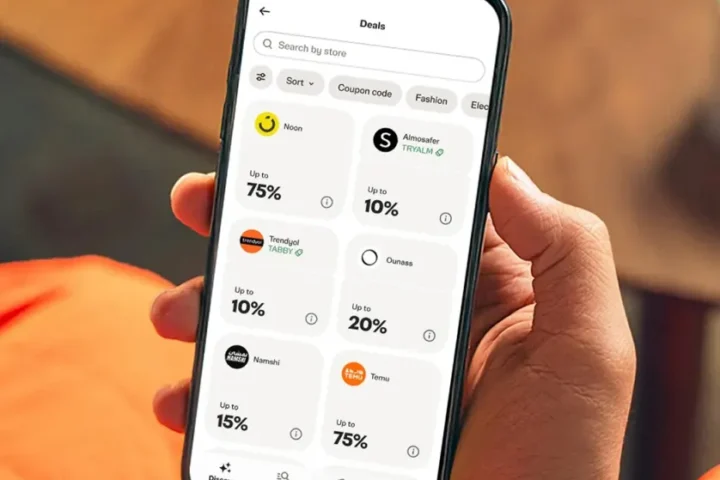


Digital technology shapes how people learn, work, communicate, and access everyday services. From submitting job applications to attending online classes, many ordinary activities now require confidence with digital tools. However, knowing how to use a smartphone does not automatically mean someone understands how to use technology responsibly.
Digital literacy involves finding, evaluating, creating, and sharing information through digital platforms. It also includes protecting personal information, recognizing misleading content, and communicating appropriately online.
Understanding the importance of digital literacy in modern society helps individuals participate more confidently in an increasingly connected world. These skills support education, improve employment opportunities, and help people make informed decisions.
What Is Digital Literacy?
Digital literacy is the ability to use digital technologies effectively, critically, and responsibly. It combines practical technical skills with judgment about information, privacy, and online behavior.
A digitally literate person can search for relevant information, assess whether a source is trustworthy, and choose suitable tools for a task. They also understand that online actions can affect themselves and others.
For example, opening an email requires basic technical knowledge. Recognizing a suspicious attachment requires critical thinking. Understanding whether to forward that email involves responsible decision-making. Together, these abilities form a broader understanding of digital literacy.
Supporting Education and Lifelong Learning
Digital literacy helps students access learning materials and participate in educational activities. Online libraries, instructional videos, and digital classrooms provide different ways to explore subjects and develop understanding.
However, access alone is insufficient. Students need to distinguish reliable explanations from inaccurate content. They must also understand how to acknowledge sources, avoid plagiarism, and use digital assistance without replacing their own thinking.
These skills remain valuable after formal education ends. Adults can use digital resources to learn languages, improve professional knowledge, or explore practical interests. Lifelong learning becomes more accessible when people know how to find useful resources and evaluate their quality.
Improving Employment Opportunities
Many jobs involve digital tasks, even when technology is not the main focus of the role. Employees may need to manage email, update records, prepare documents, or communicate through online platforms.
Digital literacy helps people complete these tasks accurately and adapt when workplace systems change. Someone who understands basic digital principles may find it easier to learn unfamiliar software.
Job seekers also benefit. Creating a readable resume, completing online applications, and preparing for video interviews require digital confidence. Understanding privacy settings and professional online behavior can help applicants manage the information employers may encounter about them.
Encouraging Critical Thinking About Online Information
The internet makes information easy to publish and share. This creates opportunities for learning, but it also allows inaccurate claims and misleading content to spread.
Digital literacy encourages people to pause before accepting or sharing information. Useful questions include: Who created this content? What evidence supports it? When was it published? Does the headline accurately reflect the article?
Checking the original source and comparing credible accounts can provide helpful context. People should also distinguish facts from opinions, advertisements, and satire. Evaluating online information supports better decisions and reduces the unintentional spread of false claims.
Protecting Privacy and Online Security
Using digital services often involves sharing personal information. People may provide contact details, upload photographs, or create accounts without fully considering who can access their data.
Digital literacy builds awareness of these choices. It helps users understand account permissions, review privacy settings, and recognize requests that deserve closer attention.
Basic protective habits include using unique passwords, enabling multifactor authentication, and keeping software updated. Recognizing unexpected payment demands or messages requesting sensitive information is equally valuable.
These habits cannot eliminate every threat, but they help people avoid preventable mistakes and respond more carefully to suspicious activity.
Making Communication More Effective
Digital communication connects families, classmates, customers, and colleagues across distances. Messages, shared documents, and video calls allow people to exchange ideas without being in the same location.
Effective communication requires more than knowing which button to press. Users need to choose an appropriate channel, write clearly, and consider how their words may be interpreted.
For instance, a brief message may suit a simple update, while a complicated discussion may benefit from a call. Respecting boundaries, checking recipients, and asking permission before sharing someone’s photograph are also important. Responsible digital communication supports trust and reduces avoidable misunderstandings.
Helping People Access Everyday Services
Many everyday activities have digital options, including booking appointments, paying bills, completing forms, and tracking deliveries. Digital literacy helps people navigate these processes with greater independence.
Understanding instructions, identifying legitimate websites, and saving confirmation details can make online tasks easier. Users also benefit from knowing when to seek assistance instead of guessing.
However, services should remain accessible to people who lack devices, reliable internet, or suitable support. Improving digital literacy works best alongside accessible design and alternative ways to complete essential tasks.
Supporting Inclusion and Community Participation
Digital literacy can help people contribute to community discussions, discover local opportunities, and stay connected with support networks. It gives individuals more ways to express ideas and participate in shared activities.
Yet digital skills are unevenly distributed. Cost, language barriers, disabilities, and limited learning opportunities can prevent people from using technology comfortably.
Addressing these barriers requires patient instruction and practical support. Libraries, schools, employers, and community organizations can provide learning opportunities suited to different needs. Accessible materials and opportunities to practice help make digital participation more inclusive.
Practical Ways to Improve Digital Literacy
Building digital literacy is an ongoing process. Start with a useful everyday task, such as organizing files, adjusting privacy settings, or learning how to verify a website address.
Practice evaluating information before sharing it. Explore unfamiliar tools gradually, ask questions, and use clear instructional resources. Learning becomes easier when each skill connects to a real need.
Supporting others matters too. Patient guidance can help someone gain confidence without feeling embarrassed about what they do not know. As technology changes, curiosity and careful judgment remain essential foundations for using it effectively.
Also Read About : The Benefits and Challenges of Owning Rental Property