
A DUI arrest sets two clocks running at once. One belongs to the criminal court, and the other belongs to the California DMV. Most people focus on the court date and do not realize the DMV can suspend their license weeks before a judge ever hears the case. Speaking with an attorney for a license suspension after a DUI in Los Angeles early can help a driver understand that second clock before it runs out.
This guide explains why the DMV case is separate, how the 10-day rule works, what happens at the hearing, and what options exist if a suspension does go into effect. For drivers who depend on their car every day, knowing these details can protect both a paycheck and peace of mind.
Two Cases From One Arrest
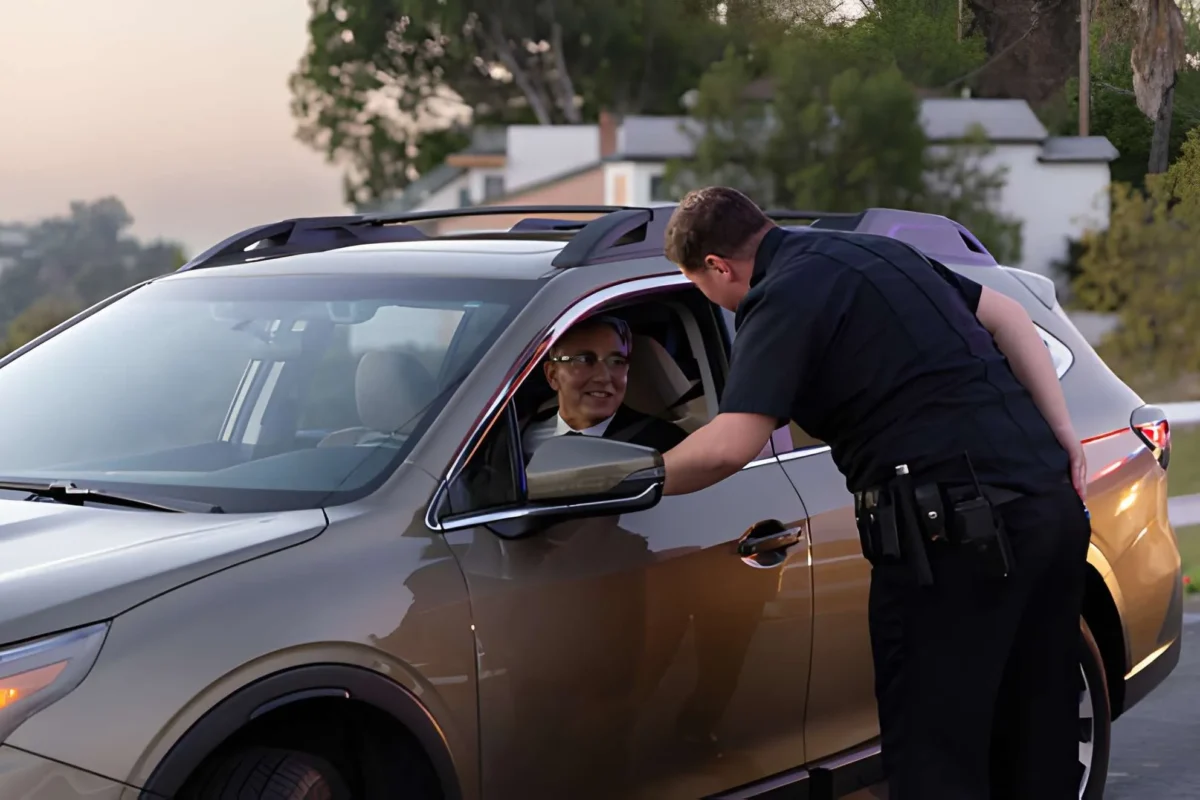
When a driver is arrested for DUI in California, the officer usually takes the physical license and hands over a pink notice called an Order of Suspension. That form also works as a temporary license, generally good for 30 days. At the same moment, the DMV opens its own file under a process called Administrative Per Se, or APS.
The DMV case and the criminal case run on separate tracks. The criminal case asks whether the driver is guilty of a crime and can lead to fines, probation, DUI school, and possibly jail. The DMV case asks a narrower question: should this person keep their driving privilege right now? Because the standards are different, a driver can win one case and lose the other. A dismissed criminal charge does not automatically cancel a DMV suspension, and a DMV win does not end the court case.
The 10-Day Rule and the APS Hearing
A driver generally has only 10 days from the date of the arrest to ask the DMV for an APS hearing. If nobody makes that request, the suspension usually starts automatically once the temporary license runs out. Requesting the hearing on time keeps the right to challenge the suspension and, in many cases, delays the suspension until the hearing takes place.
The hearing is run by a DMV hearing officer, not a judge, and is often held by phone or video. The officer focuses on a few key questions:
- Did the officer have a lawful reason to stop or contact the driver?
- Was the arrest itself lawful?
- Was the driver’s blood alcohol level 0.08 percent or higher, or did the driver refuse a chemical test after being properly warned?
At the hearing, the driver’s side can review the police report, question the arresting officer, and challenge how breath or blood tests were handled. Problems with device calibration, test timing, or the officer’s paperwork can sometimes lead the DMV to set the suspension aside. The California DMV’s DUI information page explains the APS process and the basic options available to drivers.
Why a License Matters So Much in Los Angeles
Los Angeles is built around the car. The region stretches from the San Fernando Valley to the South Bay and from the Westside to the San Gabriel Valley, and many people spend hours each week on the 405, the 101, the 10, and the 5. Public transit has grown, but for most residents it still cannot replace a car for getting to work, picking up kids, or reaching job sites spread across the county.
That makes a suspension especially costly here. Rideshare and delivery drivers, contractors, health care workers, and sales professionals can lose income the moment they cannot legally drive. California’s DMV handles well over 100,000 APS actions each year, and a large share of drivers in Los Angeles County face the same tight deadlines. Acting within the first few days gives a driver the best chance to keep working while the case moves forward.
Suspension Lengths and Restricted License Options
If the DMV upholds the suspension, its length depends mostly on the driver’s history and whether a chemical test was refused:
| Situation | Typical DMV Action |
| First DUI arrest, age 21 or older | 4-month suspension |
| Second or later offense within 10 years | 1-year suspension |
| First refusal of a chemical test | 1-year suspension |
| Repeat refusals | Longer revocation periods |
A suspension does not always mean no driving at all. Many first offenders can apply for a restricted license right away by installing an ignition interlock device, a small breath-testing unit that keeps the car from starting if alcohol is detected. Some first offenders may instead choose a license limited to driving to work and DUI school after part of the suspension has been served. Both options usually require proof of enrollment in a DUI program and proof of insurance, known as an SR-22.
Refusal cases are tougher. Drivers who refuse a chemical test often face longer suspensions with fewer restricted license options, which is one reason refusal cases deserve close attention at the hearing. Any criminal conviction can also bring its own court-ordered license consequences on top of the DMV action.
Keeping the Keys in Your Hands
A DUI arrest can feel like everything is happening to you at once, but the DMV side of the case gives drivers a real chance to push back. Requesting the APS hearing within 10 days, gathering the police report and test records, and understanding restricted license options can make the difference between losing a job and staying on the road.
The most common mistake is simply waiting too long. Treat the pink notice as a deadline, not just a piece of paper, and take action while every option is still open.